Comprehensive Overview to the Uses and Manufacturing Techniques in Light Weight Aluminum Shop Workflow
The substantial guide to aluminum shop operations presents vital understandings right into the diverse applications of light weight aluminum throughout different sectors. It systematically examines essential production methods, thawing procedures, and molding methods that add to accuracy and quality. In addition, the overview highlights the significance of ending up processes that enhance both mechanical properties and appearance. Understanding these aspects is vital for any individual involved in aluminum manufacturing, increasing inquiries regarding best techniques and innovations in the field.
Review of Aluminum Casting Applications
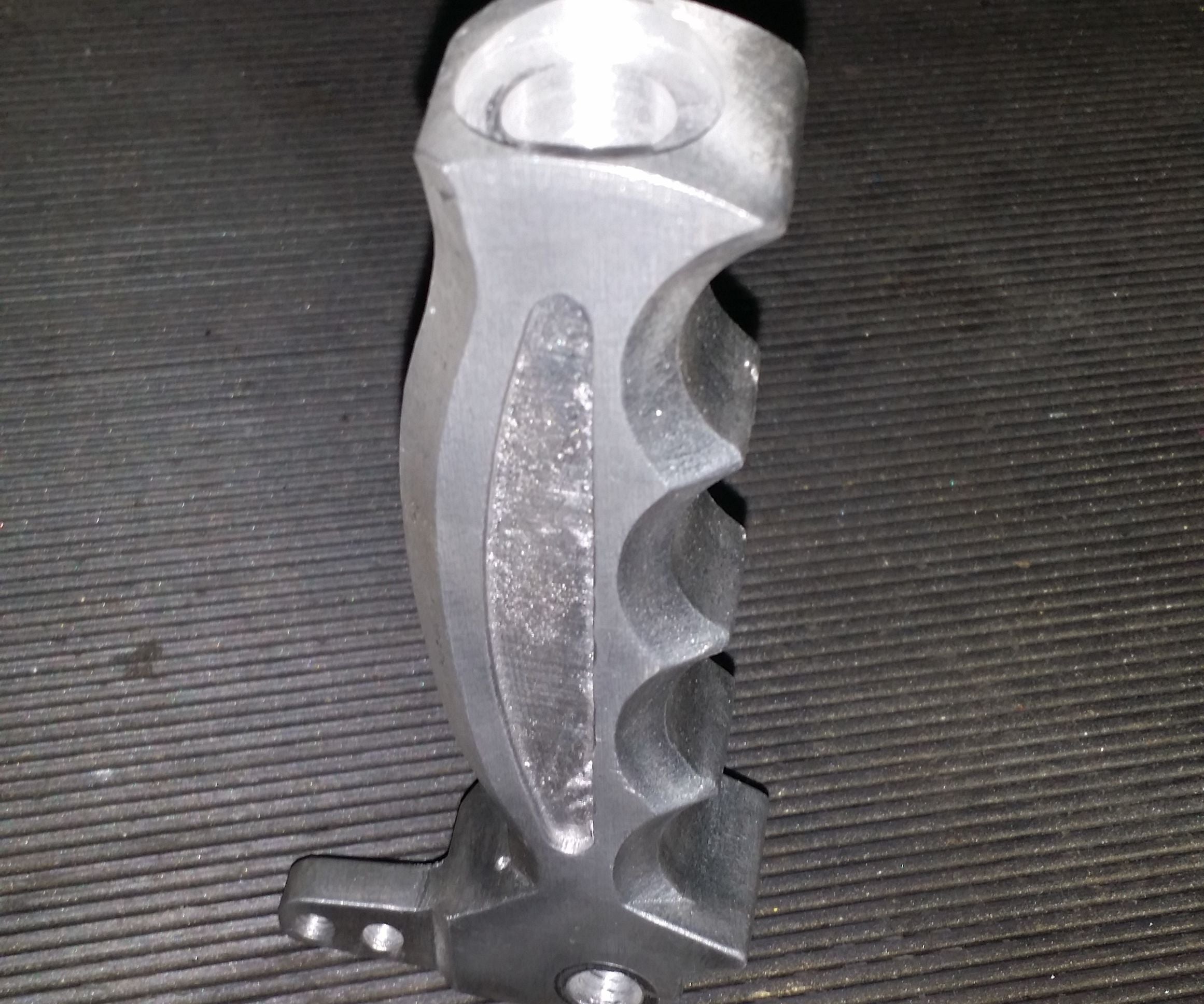
Furthermore, the construction industry take advantage of light weight aluminum castings in structural elements and architectural aspects, providing toughness and resistance to rust. Durable goods, such as kitchenware and devices, likewise make use of light weight aluminum spreadings for their warmth conductivity and visual charm. The electronics market relies upon light weight aluminum for real estates and warmth sinks, guaranteeing effective thermal administration. Generally, aluminum spreading's flexibility permits it to satisfy diverse market requirements efficiently, solidifying its significance in contemporary manufacturing techniques.
Key Manufacturing Techniques in Aluminum Shop
In the domain name of aluminum shop procedures, different manufacturing strategies play an essential duty in shaping the end products that offer diverse sectors. Aluminum Casting. Trick methods consist of sand spreading, die casting, and financial investment spreading, each offering distinct advantages based upon the application demands
Sand casting uses a mixture of sand and binder to create molds, allowing for intricate geometries at lower expenses. Pass away spreading, on the other hand, uses high-pressure injection of liquified aluminum right into steel molds, making sure precision and a smooth surface area finish, ideal for high-volume manufacturing. Investment casting gives extraordinary dimensional accuracy and surface area quality, making it suitable for elaborate styles.
Additionally, methods such as long-term mold and mildew spreading and gravity pass away casting additionally boost the flexibility of light weight aluminum shop procedures (aluminum foundry). Each technique is picked based upon aspects like production quantity, part complexity, and material residential or commercial properties, making sure favorable results throughout various applications
Melting Processes and Temperature Level Control
Reliable melting procedures and exact temperature level control are fundamental for achieving ideal aluminum factory operations. The melting of aluminum generally involves numerous approaches, consisting of crucible melting, induction melting, and rotary melting, each with its own benefits and applications. Crucible melting is commonly made use of for small batches, while induction melting offers effective heating and consistent temperature circulation.

Molding Strategies for Accuracy Castings
Understanding molding methods is vital for producing accuracy spreadings in aluminum foundry procedures. Various approaches, such as sand, investment, and pass away spreading, play a critical function in attaining desired resistances and surface area coatings. Sand casting, for example, uses a blend of sand and binder to develop molds, allowing for huge elements and detailed styles. Financial investment casting, on the other hand, uses wax patterns that are covered in ceramic product, causing highly detailed and precise shapes. Die casting uses high-pressure injection of molten light weight aluminum into metal molds, ensuring regular measurements and quick manufacturing prices.
Each technique has its benefits and is picked based on elements such as complexity, volume, and mechanical properties required. Reliable mold style, consisting of venting and gating systems, even more boosts the quality and accuracy of the completed item. Understanding these molding strategies allows foundries to satisfy details market needs and improve general functional effectiveness.
Finishing Procedures to Enhance Light Weight Aluminum Parts
Finishing procedures play an essential function in improving the efficiency and aesthetics of aluminum components. These procedures, which adhere to casting, purpose to boost surface quality, deterioration resistance, and mechanical view it buildings. Typical methods include machining, which fine-tunes measurements and surface finish, and sprucing up, which improves aesthetic appeal by creating a smooth, reflective surface area.
Plating is an additional considerable procedure, supplying a durable oxide layer that secures versus wear and rust while enabling color modification. Additionally, powder covering offers a large range of colors and coatings, guaranteeing both defense and visual enhancement.
Sometimes, components may undergo shot blasting to remove contaminations and improve attachment for subsequent coatings (aluminum casting company). Overall, these finishing procedures are necessary for making best use of the functionality and life-span of aluminum components, making them suitable for diverse applications throughout various sectors
Often Asked Inquiries
What Safety Steps Are Needed in Aluminum Foundry Procedures?
In aluminum factory procedures, necessary safety and security measures include personal safety devices, appropriate ventilation, fire avoidance procedures, routine tools upkeep, training for workers on risks, and preserving clear emergency procedures to guarantee a safe workplace.
Exactly How Do Ecological Regulations Impact Aluminum Foundries?
Ecological laws considerably influence aluminum foundries by imposing requirements for discharges, waste monitoring, and source consumption. Conformity frequently demands financial investments in cleaner modern technologies and processes, inevitably influencing functional costs and manufacturing efficiency within the sector.
What Career Opportunities Exist in Light Weight Aluminum Shop Workflow?
Different job chances in light weight aluminum factory operations include functions such as factory service technician, mold and mildew designer, quality assurance inspector, process engineer, and production manager, each adding to reliable manufacturing and innovative procedures anchor within the industry.
How Is Quality Assurance Achieved in Light Weight Aluminum Spreading?
Quality control in light weight aluminum casting is achieved with strenuous inspections, standardized testing treatments, and the use of innovative modern technologies. Normal monitoring of temperature level, composition, and dimensional precision assurances products satisfy defined criteria and consumer demands.
What Are the Typical Defects in Aluminum Castings and Their Reasons?
Usual issues in light weight aluminum spreadings include shrinking, porosity, and surface area roughness. Causes frequently stem from inappropriate mold design, inadequate pouring techniques, and contamination, influencing the general stability and efficiency of the final item.
The considerable guide to aluminum foundry operations offers crucial insights into the varied applications of light weight aluminum across different industries. Aluminum spreading plays an important function in numerous markets due to its versatility and positive buildings. Pass away casting, on the other hand, utilizes high-pressure shot of liquified aluminum right into steel mold and mildews, making sure precision and a smooth surface coating, perfect for high-volume production. Furthermore, techniques such as permanent mold spreading and gravity die casting even more enhance the flexibility of light weight aluminum shop procedures. Understanding molding techniques is essential for generating precision spreadings in light weight aluminum factory operations.